Jacob Valenbreder

Jacob Valenbreder

·

24 November 2025

24 November 2025

Weaviate Partnership

Weaviate Partnership

We are happy to present our most recent integration Weaviate

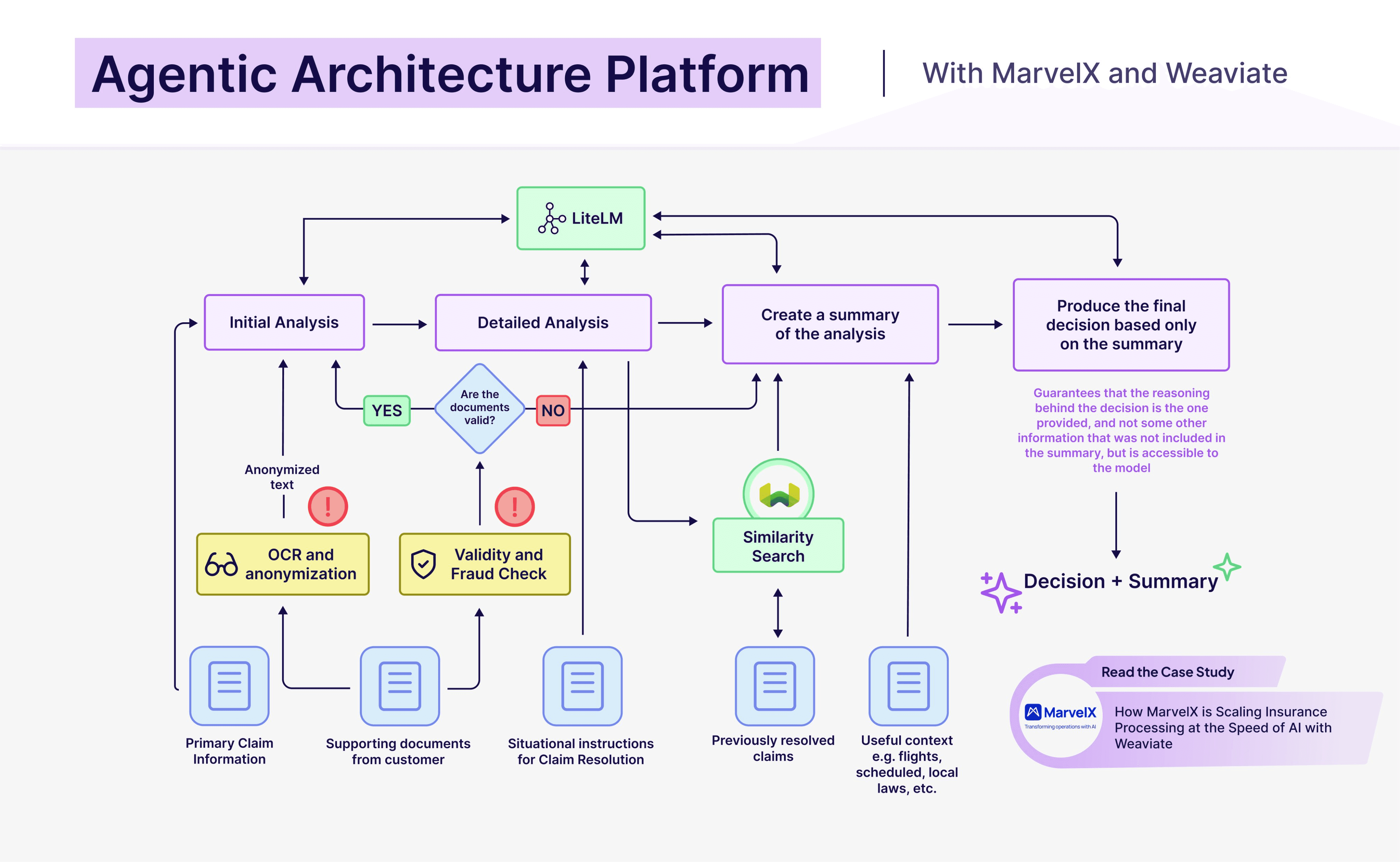
Weaviate X MarvelX AI: Enhancing our agents We’ve integrated Weaviate into our claims automation workflow. The Dutch leader in high-speed contextual search now strengthens the claims handling process our AI agent has learned from top adjusters and helps it deliver fast and consistent decisions with human-level nuance.
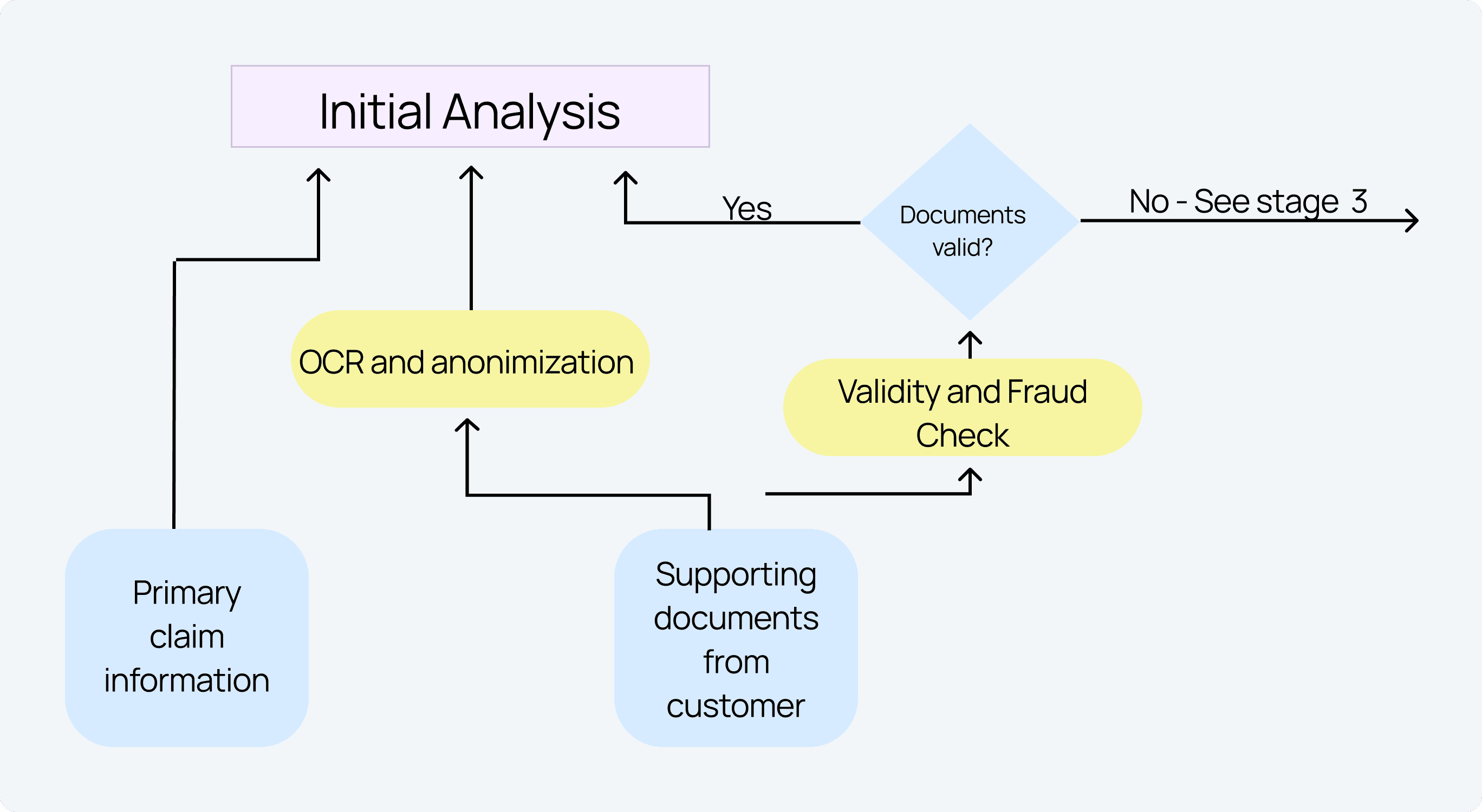
  1. Initial Analysis


When a new claim arrives, the AI agent follows the same steps a human adjuster would:

  • Read and structure all incoming information

  • Review supporting documents

  • Check for completeness, inconsistencies, or fraud indicators Valid claims move to the next stage, while unclear or suspicious cases are flagged for deeper review.


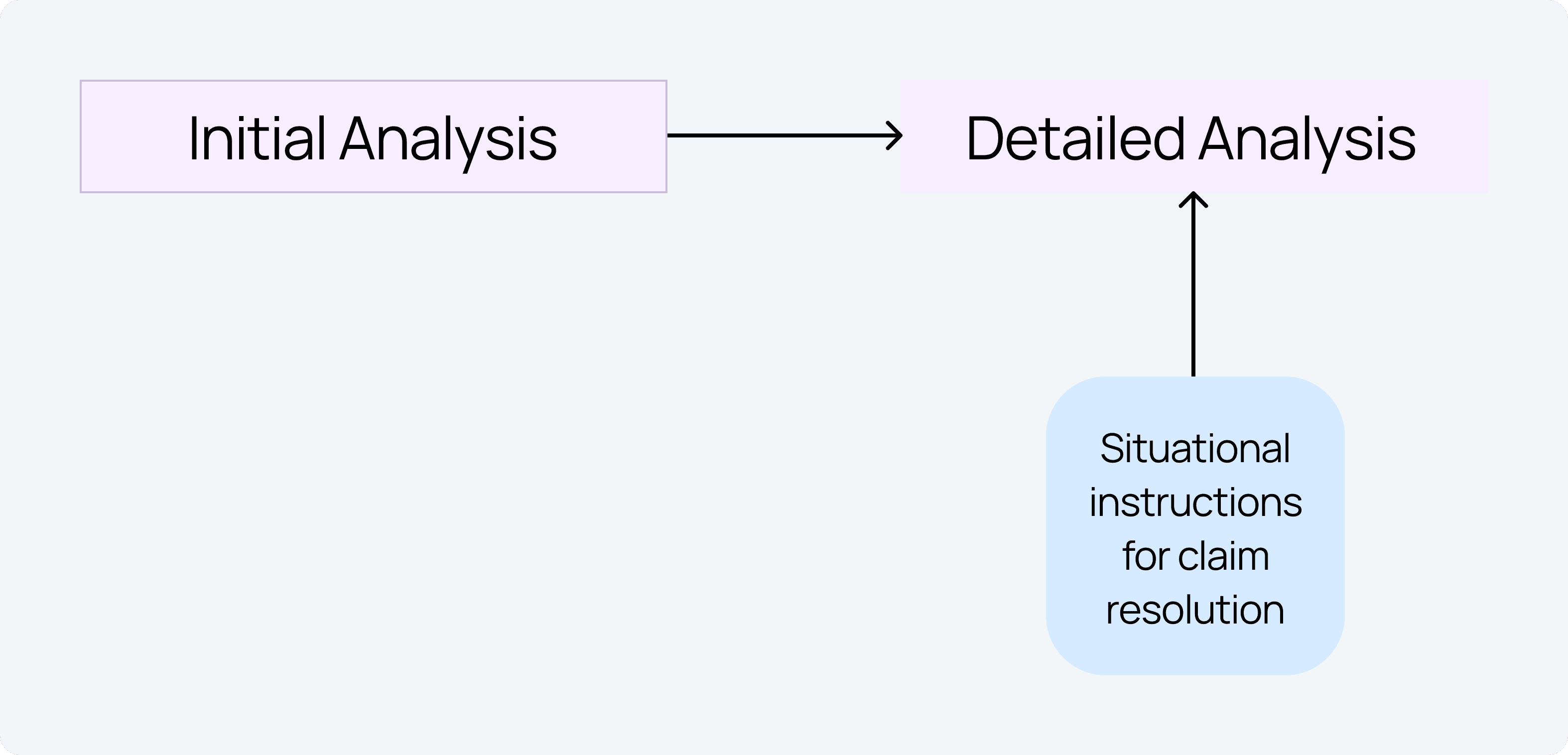
  1. Detailed Analysis


With clean, structured data from Stage 1 the agent interprets:

  • Relevant policy sections

  • Coverage conditions

  • Contextual details (timelines, evidence, narrative, circumstances)

  • This mirrors how adjusters reason through claims. The agent does not just check rules, but it is understanding the situation.


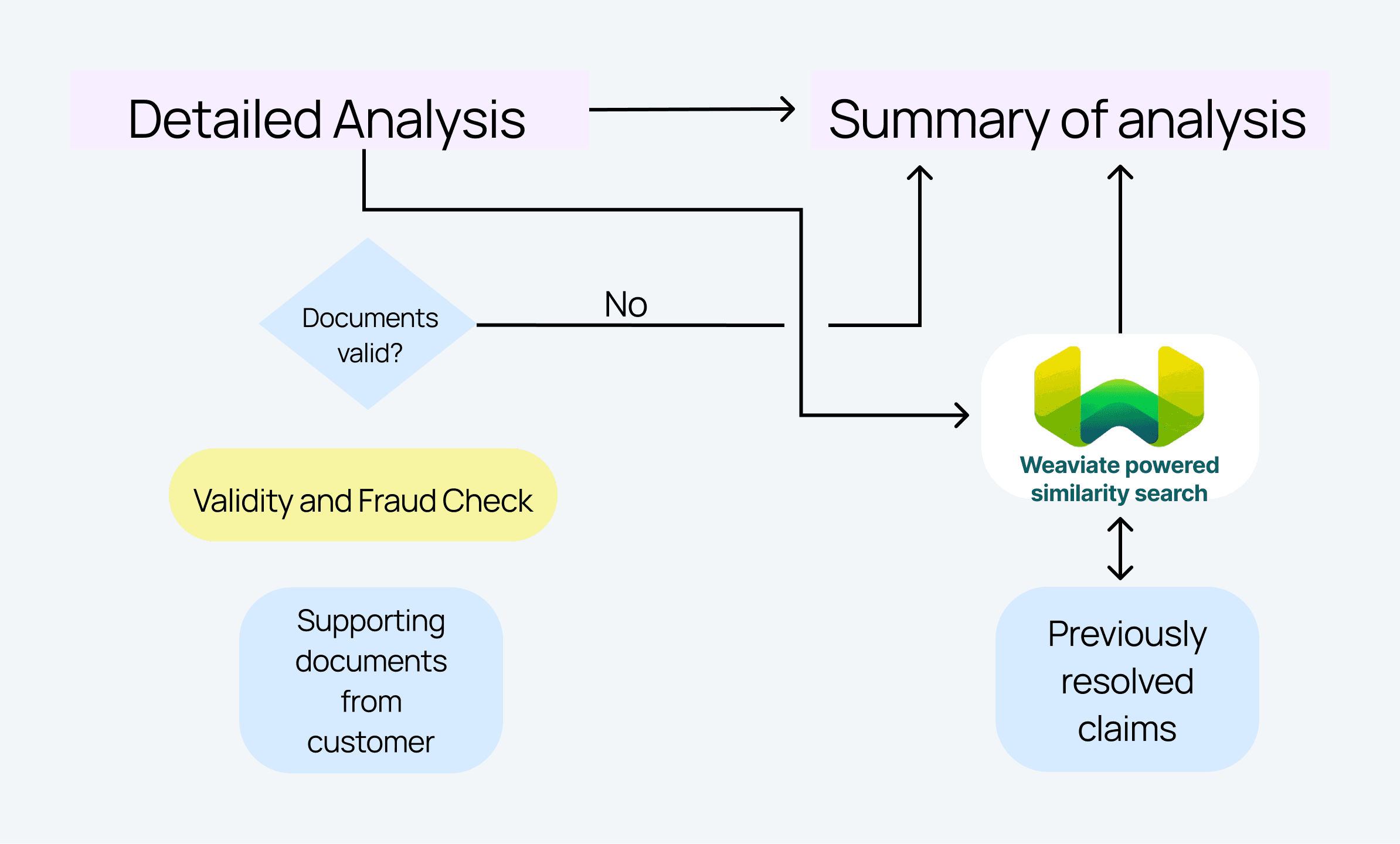
  1. Create a Summary of the analysis


Stage 3 is where Weaviate makes a major difference. Using weaviate, the agent can instantly locate historically similar claims such as: Special situations Rare patterns Complex, ambiguous events Edge cases normally handled by senior adjusters This gives our agent access to the same precedent-driven reasoning that experienced handlers rely on every day. Without missing important details, and at a much faster pace.

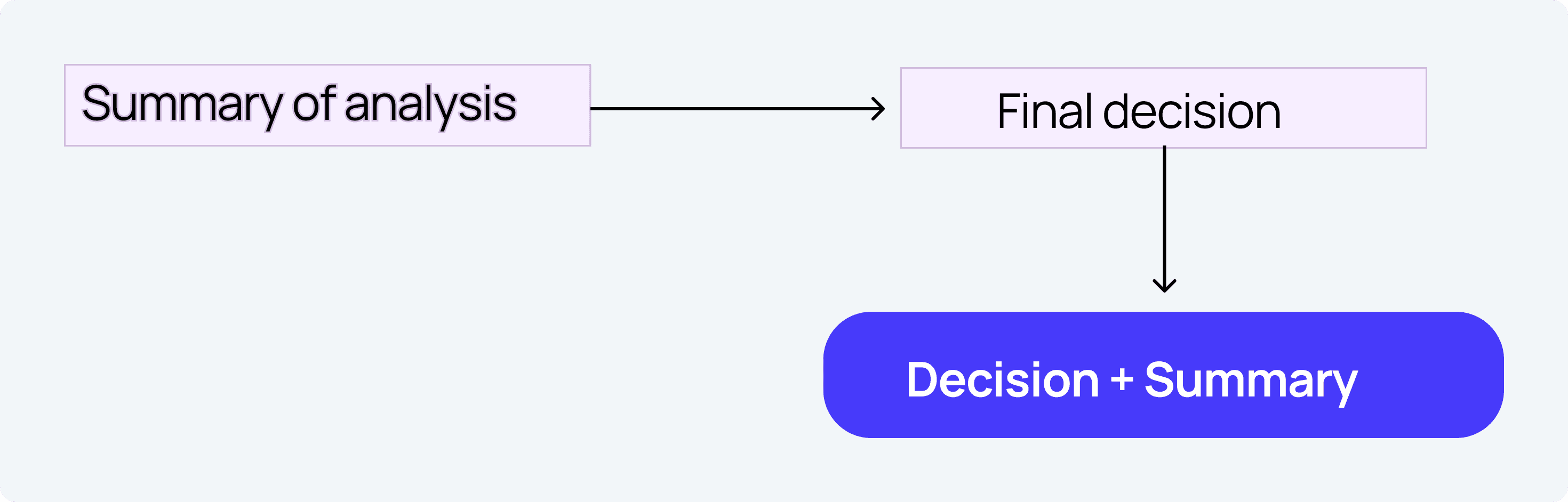
  1. Final decision.

Using all outputs generated from the previous stages:

  • verified claim data

  • policy interpretation

  • contextual details

  • relevant precedents found via Weaviate

Each decision produced by the agent includes a human-style explanation. Why the conclusion was reached, what evidence supports it, and any other information used to create a decision.

From there your adjusters can review each claim and its predicted decision. This keeps a human in the loop while saving your employees time on the menial tasks. Book a demo or get in touch to learn more.


Book a demo or get in touch to learn more.

We are happy to present our most recent integration Weaviate

Weaviate X MarvelX AI: Enhancing our agents We’ve integrated Weaviate into our claims automation workflow. The Dutch leader in high-speed contextual search now strengthens the claims handling process our AI agent has learned from top adjusters and helps it deliver fast and consistent decisions with human-level nuance.

  1. Initial Analysis


When a new claim arrives, the AI agent follows the same steps a human adjuster would:

  • Read and structure all incoming information

  • Review supporting documents

  • Check for completeness, inconsistencies, or fraud indicators Valid claims move to the next stage, while unclear or suspicious cases are flagged for deeper review.


  1. Detailed Analysis


With clean, structured data from Stage 1 the agent interprets:

  • Relevant policy sections

  • Coverage conditions

  • Contextual details (timelines, evidence, narrative, circumstances)

  • This mirrors how adjusters reason through claims. The agent does not just check rules, but it is understanding the situation.


  1. Create a Summary of the analysis


Stage 3 is where Weaviate makes a major difference. Using weaviate, the agent can instantly locate historically similar claims such as: Special situations Rare patterns Complex, ambiguous events Edge cases normally handled by senior adjusters This gives our agent access to the same precedent-driven reasoning that experienced handlers rely on every day. Without missing important details, and at a much faster pace.

  1. Final decision.

Using all outputs generated from the previous stages:

  • verified claim data

  • policy interpretation

  • contextual details

  • relevant precedents found via Weaviate

Each decision produced by the agent includes a human-style explanation. Why the conclusion was reached, what evidence supports it, and any other information used to create a decision.

From there your adjusters can review each claim and its predicted decision. This keeps a human in the loop while saving your employees time on the menial tasks. Book a demo or get in touch to learn more.


Book a demo or get in touch to learn more.